


The Thrill of Risk
The allure of gambling often lies in the excitement of risk-taking. People are drawn to casinos by the possibility of winning large sums of money, which can create a rush akin to other forms of thrilling activities. This sensation is fueled by the brain’s release of dopamine, a neurotransmitter associated with pleasure and reward. The anticipation of winning can heighten emotions and lead to an adrenaline rush, which many find irresistible. Many Australians are eager to explore bitcoin casinos australia as they seek to blend cryptocurrency with the thrill of gaming.
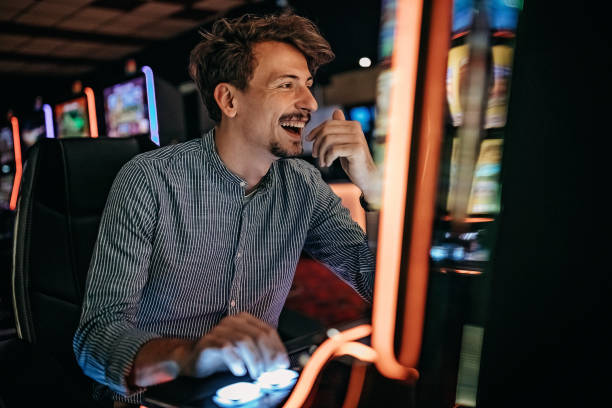
Moreover, the uncertainty inherent in gambling adds to its appeal. Humans are wired to seek out novelty and uncertainty, which can trigger a variety of psychological responses. This unpredictable environment encourages individuals to keep playing, driven by the hope that their next bet could yield a life-changing outcome.
The Influence of Environment
The design and atmosphere of casinos play a crucial role in why people gamble. Casinos are meticulously crafted to create an immersive experience that stimulates the senses and encourages prolonged engagement. Bright lights, vibrant colors, and the constant sounds of winning create an enticing ambiance that keeps players inside longer than they might intend.
Additionally, the lack of clocks and windows in many casinos contributes to the phenomenon known as “time distortion.” Players lose track of time, which can lead to extended periods of gambling without a clear sense of how much they have spent or the duration they have played. This carefully curated environment reinforces the potential for addiction and compulsive behaviors among gamblers.
The Social Aspects of Gambling
Gambling is often a social activity that can enhance the enjoyment of the experience. Many individuals find camaraderie among fellow players, sharing in the excitement of wins and losses. This social interaction can create a sense of community and belonging, which is particularly appealing for those seeking connection in their lives.
Furthermore, the act of gambling can often take place during celebrations, parties, or other social gatherings, amplifying the enjoyment and reinforcing positive associations with the activity. This social dimension can lead to habitual gambling, as individuals may continue to partake in these activities even when they are not financially advantageous.
The Psychological Traps of Gambling
Gamblers often fall prey to various cognitive biases that can skew their judgment and decision-making. One common trap is the illusion of control, where individuals believe they can influence the outcome of games that are purely chance-based. This misguided confidence can lead to increased betting and prolonged gambling sessions, as players convince themselves that they have a better chance of winning than they actually do.
Additionally, concepts such as the “gambler’s fallacy,” the belief that past events affect future probabilities, can further entrap players. Even after experiencing losses, individuals might continue to gamble, expecting that their luck will eventually turn. Understanding these psychological traps is essential for anyone looking to navigate the gambling landscape responsibly.
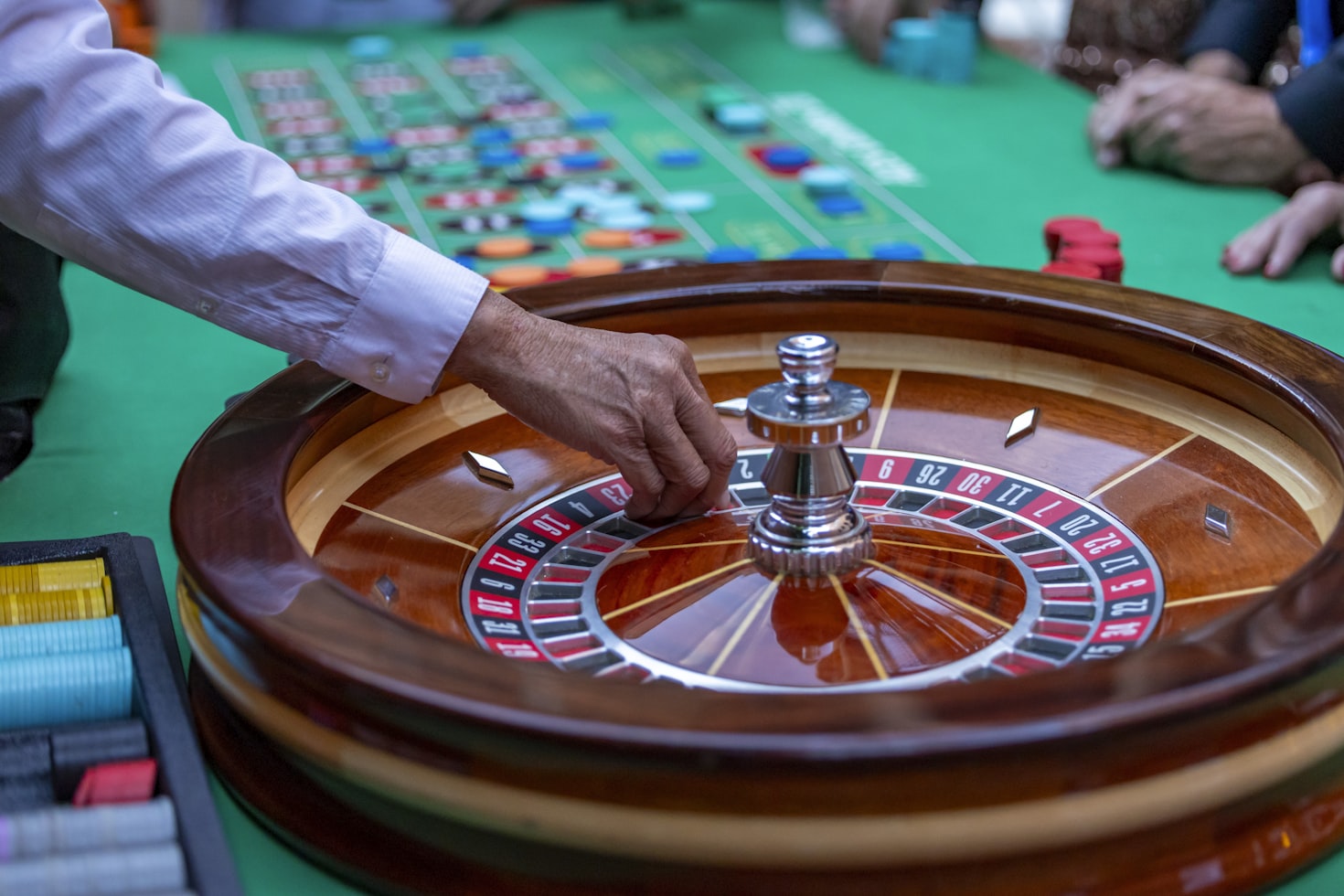
Your Path to Responsible Gaming
For those interested in exploring casino gaming, it’s vital to approach this activity with mindfulness and awareness of the psychological factors at play. Understanding the motivations behind gambling can empower individuals to make informed choices, balancing enjoyment with responsibility. Setting limits on time and money spent can help mitigate the potential for compulsive gambling behaviors.
Our platform is dedicated to providing resources and insights into the world of casinos, particularly focusing on the latest trends in crypto gaming. We strive to guide players towards responsible gaming experiences, enhancing their enjoyment while safeguarding against the various psychological pitfalls of gambling. Join us in exploring the exciting opportunities within the casino realm while maintaining a healthy relationship with this form of entertainment.